Due to unique dangers and specialized protection needs not even addressed by basic car insurance, truck insurance exceeds basic auto policy by a wide margin. Truck insurance coverage types vary significantly based on usage patterns, shipping considerations, and business applications, demanding more prudence than basic vehicle policies.
If you own a pickup truck for personal use with periodic towing of a trailer or a fleet of company trucks, truck insurance special considerations like payload capacity, off-road operation, and specialty equipment bring special liability exposures.
Essential Coverage Types Every Truck Owner Must Understand
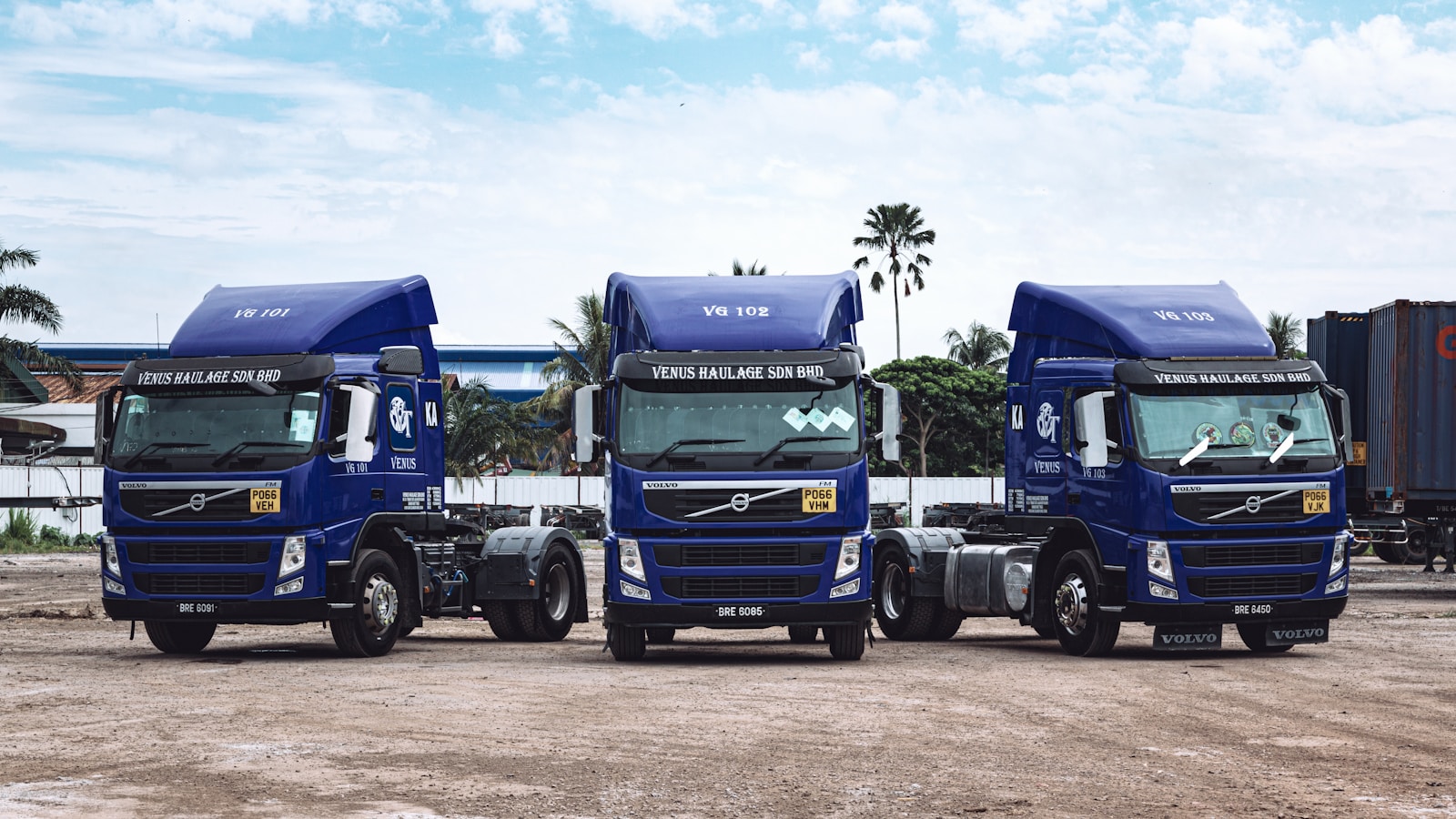
Truck insurance coverage forms begin with the standard liability, comprehensive, and collision coverage but diverge into specialized segments that are specific to trucking operations. Liability coverage protects against bodily injury and property damage. For commercial trucking, the FMCSA requires at least $750,000 in liability insurance (49 CFR § 387.9). Many companies carry $1,000,000 because shippers and contracts often demand it.
The major specialized coverages that are significant for truck owners include:
- Towing coverage is provided on covered losses because of comprehensive or collision insurance, and provides protection in case of accidents or damage incidents
- Cargo insurance covers the goods you’re transporting. While it isn’t federally required for all types of cargo, it is mandatory for interstate carriers of household goods and often required by shippers under contract.
- On-hook endorsement is a must for tow trucks, as vehicles being towed in accidents are not included under regular commercial policies
Physical damage coverage is particularly important for trucks due to higher repair costs and the requirement for specialized parts. Medical payment coverage insures you and your passengers, regardless of fault, providing immediate medical expense coverage that augments health insurance in case of accidents.
Read More: How Predictive Maintenance Systems Work in Modern Cars
Special Risk Factors That Affect Truck Insurance Premiums
Truck insurance has special considerations that drive a significant difference in premium computation, with conditions not included in typical automobile coverage. Usage of the truck, drive to work or pleasure use, business use, and miles traveled will affect the premium, and additional day-to-day or annual mileage raises the exposure to a claim.
The type of vehicle being operated will also directly impact the premium, as trucks are rated differently from passenger vehicles. The insurance rates would be lower for trucking companies that employ drivers with unblemished driving records and long years of experience, while companies with poor safety records pay significantly more.
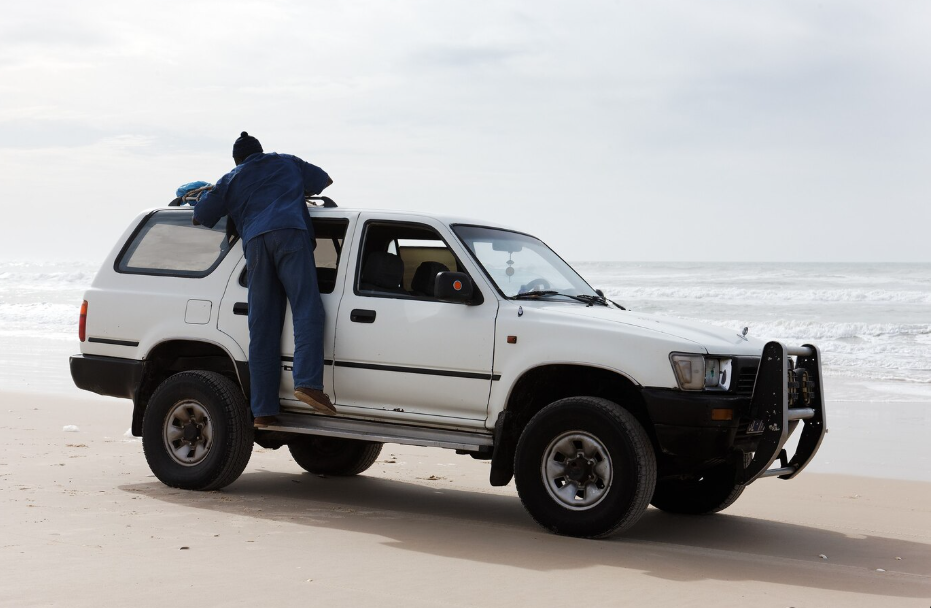
Payload considerations affect premium decisions because higher payloads take longer to stop, cause greater accident severity, and are more expensive to damage. Off-road usage exposes the vehicle to unique hazards like terrain damage, recovery expense in isolated areas, and damage to special equipment that may be excluded by regular policies.
Read More: Common Diesel Pickup Engine Issues & Fixes
Navigating Claims Evaluation and Settlement Processes
Truck insurance claims examination differs from standard auto claims due to complexity factors like cargo assessment, equipment valuations, and business interruption considerations. Examiners review truck accident claims using specialized knowledge of commercial vehicle regulations, industry practices, and equipment replacement costs beyond the usual passenger vehicle experience.
Commercial truck insurance claims often involve a number of parties, including cargo owners, leasing companies, and government agencies, which complicate settlement times. Business interruption losses also become significant considerations when trucks are revenue-earning assets under the necessity of coverage for lost revenues during repairs.
Making Informed Insurance Purchasing Decisions
Understanding truck insurance special considerations provides owners with the authority to ask informed questions when buying insurance. Hunt for special coverage needs, commercial truck claims experience, and carrier financial stability ratings.
Start by documenting your actual use patterns, cargo types, and equipment values for coverage selection. Ready to obtain the correct truck coverage? Call a few carriers that insure your vehicle type and use pattern, and compare coverage and price structures.
Read More: Keep Your Vehicle from Being Stolen: 2025 Anti-Theft Tech & Tips