Your car’s infotainment system affects every drive, whether for navigation, entertainment, or car controls. The battle for the dashboard has become more intense, with Android Automotive vs. the rest being a consideration for new buyers. Understanding the distinctions informs your choice of automobiles with technology that fits your online lifestyle.
What Sets Android Automotive Apart
Android Automotive vs. the rest isn’t about personal taste; it’s about depth of integration. Android Auto is an extension of your phone, while Android Automotive is integrated directly into your car’s OS. That native integration means faster performance, seamless updates, and direct access to car features like climate control and seat adjustments using voice commands.
Google’s platform delivers familiar interfaces to Android users, such as access to Google Maps, Google Assistant, and Play Store. You’re enjoying the same simplicity across different automobile brands, providing a consistency that could never be obtained by traditional proprietary systems.
The always-connected experience means your car is upgraded using over-the-air updates, bringing in new features without the need for dealership trips—a gigantic advantage over static factory systems.
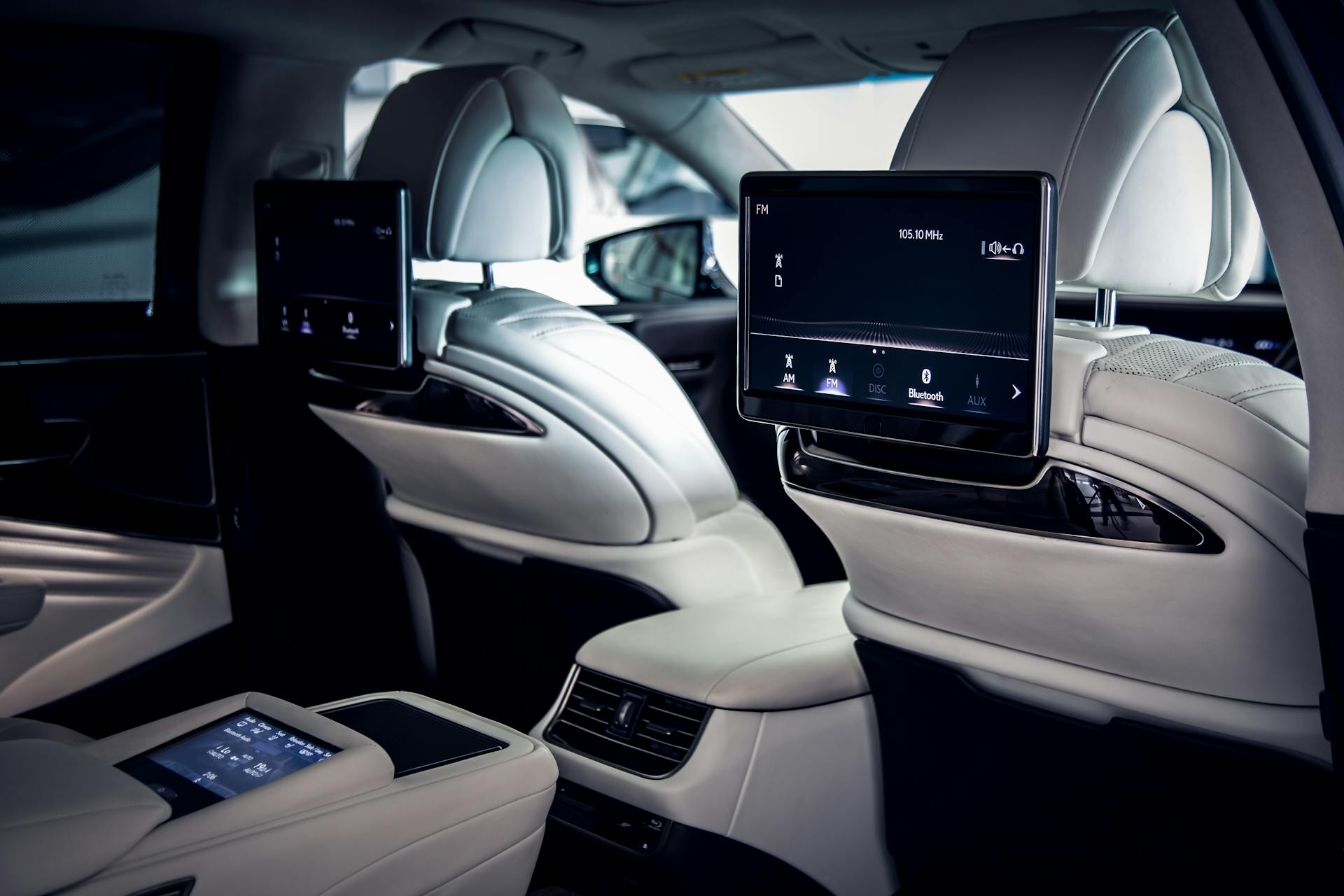
Compared to legacy systems like BMW’s iDrive, Mercedes’ MBUX, and Audi’s MMI, Android Automotive is newer and still developing its luxury-focused integrations. In-house systems enjoy deep vehicle integration and brand-specific capabilities that Google’s system can’t equal.
Traditional systems excel in luxury flourishes, MBUX ambient lighting choreography, iDrive’s precise rotary knobs, and Cadillac Super Cruise highway assistance. These corporations invest a lot of money in designing distinctive experiences that build brand identity.
But these platforms lag in smartphone integration and application ecosystems. Updates typically require dealership visits, and the learning curve for the interface can be difficult. Drivers complain that many of these systems are less intuitive than their familiar smartphone use.
Read More: Best Camp-Ready Trucks: Gear, Mods, and Packing Lists
Apple CarPlay: The iOS Alternative
Apple CarPlay owns the Android Automotive vs. other systems discussion for iPhone owners. CarPlay’s big strength is effortless iPhone integration—your messages, music, and maps are on screen in an instant with intuitive gestures and Siri voice commands.
CarPlay works across virtually every vehicle brand, offering consistency regardless of your car choice. The interface mirrors iOS design principles, making it instantly familiar to iPhone users. Third-party app support continues expanding, though it remains more limited than full Android Automotive capabilities.
The key limitation? CarPlay requires your iPhone connection and doesn’t integrate deeply with vehicle systems like climate control or advanced driver assistance features.
Read More: Are SUV and Truck Sizes Too Big? Exploring ‘Autobesity’
Tesla’s Unique Approach
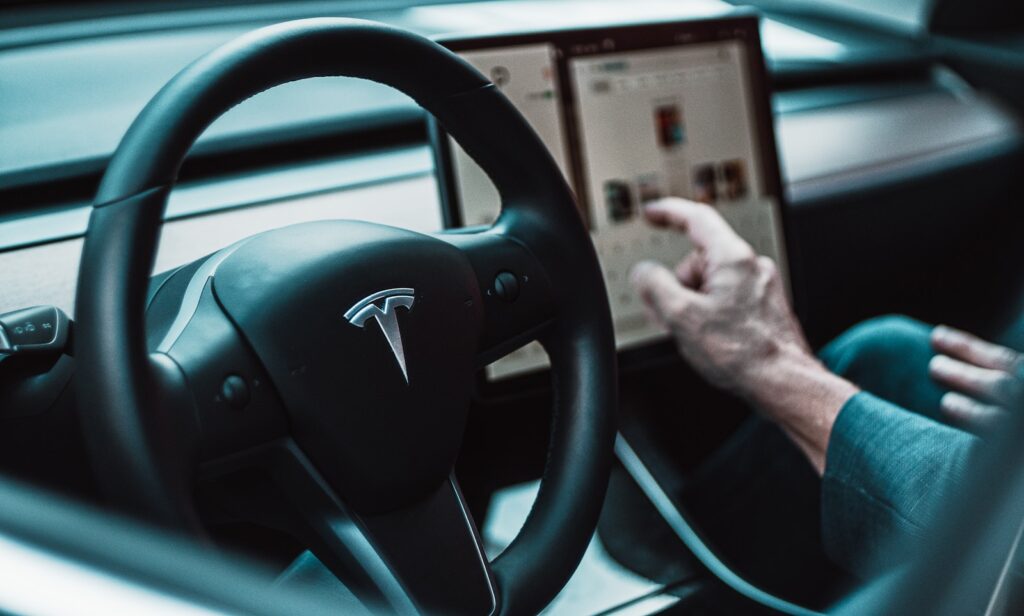
Tesla’s bespoke infotainment system is unique in Android Automotive vs. other platforms debates. Designed specifically for Tesla cars, it has unparalleled integration with Autopilot, charging networks, and vehicle features. The giant touchscreen interface dispenses with conventional buttons, giving a minimalist look.
Tesla’s software gets regular over-the-air updates with new games, features, and capabilities. It does not have conventional smartphone mirroring, though, and users must accommodate Tesla’s distinctive approach to the user interface.
Making Your Choice
The Android Automotive vs. other systems decision depends on your needs. Choose Android Automotive for built-in Google services and simple Android experiences. Choose manufacturer systems if you want brand-specific luxury functions and have no concern about learning curves.
Turn to Apple CarPlay compatibility if you are deeply committed to Apple’s universe, and look to Tesla’s model if you desire leading-edge integration at the cost of old-fashioned smartphone connectivity.
Your infotainment selection impacts daily driving satisfaction, so test drive various systems before making a decision. The finest system is one that you will indeed use comfortably and safely while driving.