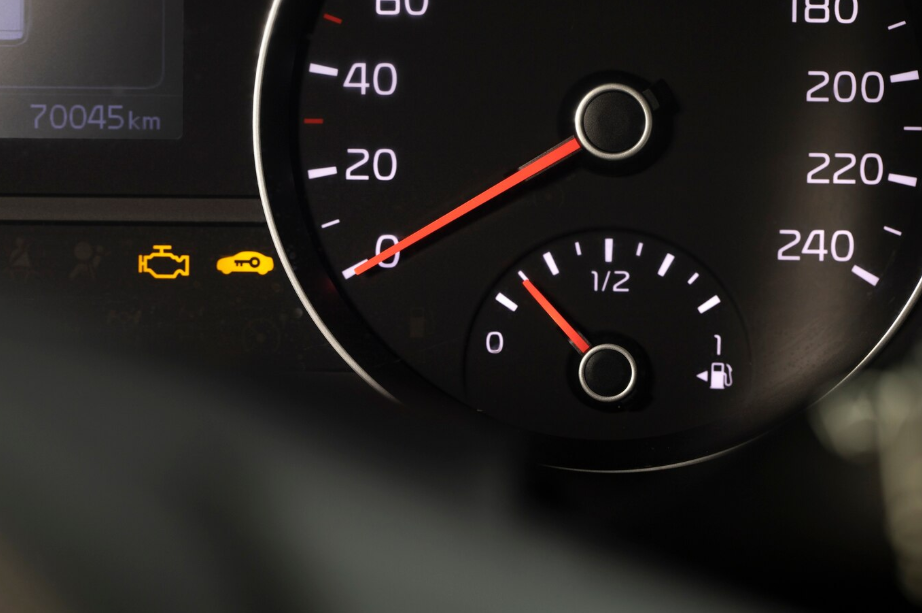
The check engine light doesn’t always signal disaster, but it does indicate that your car needs attention.
If you’re wondering how to read check engine light codes and whether to fix it yourself or call a pro, you’re in the right place.
Let’s walk through what it means, how to check it, and how to avoid bigger repair bills down the road.
What Does the Check Engine Light Actually Mean?
Your check engine light, technically called the Malfunction Indicator Lamp (MIL), is tied to your car’s onboard diagnostics system (OBD-II). When something goes wrong with the engine, transmission, or emissions system, the MIL turns on to alert you.
There are two kinds of alerts:
- Solid Light: A non-urgent issue (like a loose gas cap or oxygen sensor failure).
- Flashing Light: Stop driving. This often signals a severe emission system fault or fuel mixture problem. These are things that could damage your engine fast.
Common Reasons the Light Comes On
Here are some of the most common check engine light symptoms that trigger a warning:
- Gas cap loose or missing – Often overlooked, but a loose cap can mess with fuel pressure.
- Oxygen sensor failure – A worn sensor throws off fuel-air mix and kills MPG.
- Catalytic converter problems – Costly and critical for emissions.
- Engine misfire – Often tied to spark plugs or coils.
- MAF sensor issues – Disrupts airflow readings and fuel delivery.
- Code P0420 – Means your catalyst system efficiency is too low, often pointing to a failing catalytic converter.
These are common across most cars, but if you’re driving a diesel, be sure to check out our guide on Common Diesel Pickup Engine Issues & Fixes for more specific problems like DEF system faults and DPF clogging.
How to Read the Trouble Codes Yourself
You don’t always need a mechanic to understand why your check engine light is on. With a basic OBD-II scanner (short for On-Board Diagnostics), you can diagnose the issue yourself in minutes. These code readers are affordable, easy to use, and compatible with most cars built after 1996.
Here’s how to do it:
- Locate the OBD-II port – It’s typically found beneath the dashboard, just under the steering wheel.
- Plug in the scanner – Once connected, the device powers up and communicates with your car’s computer system.
- Retrieve the DTCs – You’ll get diagnostic trouble codes like P0171 (system too lean) or P0420 (catalyst system efficiency below threshold).
- Look up the meaning – Use the scanner’s mobile app or visit a site like the EPA’s OBD resource page for detailed explanations.
Bonus tip: Many auto parts stores like AutoZone offer free code scanning services and printed reports.
When to Call in a Pro
If the engine light is flashing, have your car towed or inspected immediately. That could mean serious engine trouble or potential damage to the catalytic converter.
Other red flags that call for professional help:
- You’ve cleared the code, but the light comes back.
- You see multiple codes or your car won’t start but check engine light is on.
- The engine runs rough, misfires, or smells weird.
A certified tech can run vehicle health diagnostics, do deeper sensor testing, and spot issues that an entry-level reader might miss.
Know Your Car, Avoid the Stress
The check engine light isn’t your enemy. It’s your car’s way of asking for help before things get worse.
By learning how to read check engine light codes, you’ll feel more confident behind the wheel and possibly save a few hundred bucks in diagnostics.
Got a code? Start simple. Check that gas cap. If the light stays on, scan it. And when in doubt, trust a pro.