The risk of voiding your warranty shouldn’t keep you from upgrading your vehicle’s performance. In the Magnuson-Moss Warranty Act, an auto manufacturer cannot void your car’s warranty due to an aftermarket part unless they can prove that the aftermarket part caused or contributed to the car’s failure.
Understanding which performance mods warranty safe options exist helps you modify responsibly without sacrificing manufacturer protection. Passed in 1975, the act explicitly states that a manufacturer can’t deny your warranty claim just because you’ve modified your car. This federal protection gives plenty of leeway for enthusiasts to modify their cars legally and safely.
Understanding Your Legal Protections
The Magnuson-Moss Act provides excellent protection for the owners of modified cars. What an automaker and a dealership cannot do, according to the Magnuson-Moss Warranty Act, is void a warranty simply because a modification has been made. For instance, a lowered suspension with altered springs and shocks is very unlikely to directly result in a defective power door lock.
Key legal protections include:
- Manufacturers must provide a cause-and-effect relationship between modifications and failures
- The warranty itself does not just get “voided” because of mods. If the dealer can trace a modification done to your car to the cause of the problem you’re having, they MAY deny coverage
- The burden of proof is on the manufacturer, not the consumer
The Magnuson-Moss Warranty Act provides consumers with the authority to use non-original parts without risking the voidance of the warranty. It’s crucial, however, to select parts that meet the necessary standards and don’t compromise the integrity of the product
It implies warranties on unrelated components remain intact. A cold air intake cannot be reasonably anticipated to cause transmission problems, providing sufficient protection for good modifications.
Read More: Common Diesel Pickup Engine Issues & Fixes
Safe Modification Categories
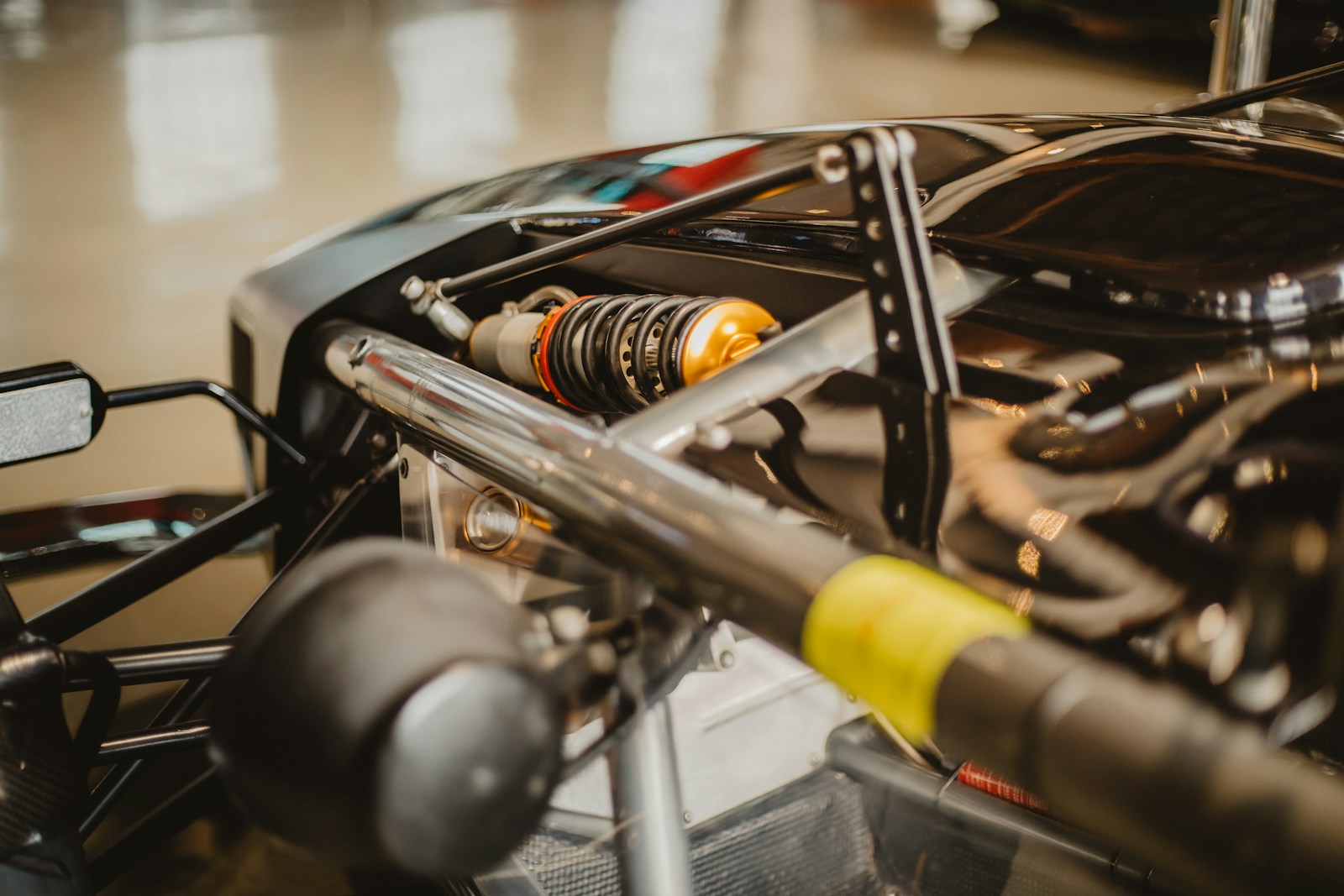
Certain modifications are standard warranty void modifications that you’ll want to steer away from, but others are relatively safe. Most coilover/strut and spring kits carry a manufacturer’s warranty as well, so you don’t have to worry about blowing a strut and having it not be under warranty. Bolt-on exhaust systems are one of the more common upgrades for any car because of how easy they usually are to install.
Generally safer modifications:
- Axle-back exhaust systems (muffler replacements)
- Performance modules won’t void your warranty. The reason is that they don’t leave any sign of modification
- Suspension components with proper installation
- Cosmetic modifications not powertrain-related
Upgrades like cold air intakes and engine tunes give noticeable enhancements but require careful consideration of the potential impact on warranties.
Read More: How Predictive Maintenance Systems Work in Modern Cars
Dealer Relations and Documentation Strategy
Getting approved for modified vehicles generally boils down to dealership relationships and documentation. At the end of the day, for less significant repairs, it’s going to boil down to your dealership. If they’re mod-friendly, you’ll be fine, really. If you blow your engine, turbo, etc., those kinds of repairs are going to require express approval from the corporate.
The key to safe modification is to choose quality parts, expert installation, and maintain full documentation. Performance mods warranty safe solutions exist when you understand legal protection, make the correct modifications, and have good dealer relations while maintaining full documentation.
Read More: Jumpstarting in the Age of EVs: How to Jumpstart Hybrid Cars Safely